


The Real Benefits of Reporting Near Misses
Near misses are early warning signs of serious accidents. When they’re reported and acted on properly, they help identify risks early, strengthen safety culture, and prevent harm before it happens.

Health & Safety at Handover: Why the Final Stages Matter Most
The final stages of a project can be the most risky. Discover why maintaining health and safety right up to handover is essential for a successful finish.
SMSTS Refresher Course - Remote Training This March
SMSTS certificate due to expire? Our 2-day remote refresher course on 16th - 17th March helps you stay qualified, compliant, and confident on site.
International Day of Clean Energy: Turning Awareness into Action
This week marked International Day of Clean Energy, a reminder that cleaner energy isn’t just good for the planet, it’s good for business. From energy audits to renewables and efficiency upgrades, small actions can lead to big savings and a lower carbon footprint.
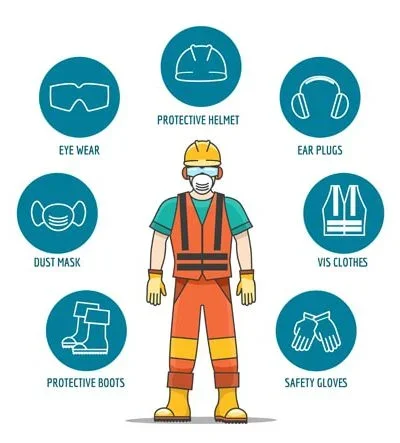
A Simple Reminder: PPE on Site Saves Lives
PPE is one of the simplest and most effective ways to stay safe on site, but only if it’s worn correctly and consistently. This blog is a reminder of why PPE matters, the responsibilities of both employers and workers, and how small habits can make a big difference to safety, compliance, and site culture.

Simplifying Training Compliance for Your Business
Keeping training records up to date doesn’t have to be time-consuming or stressful. Our new Training Matrix Management service takes care of tracking expiry dates, managing records, and supporting compliance — helping businesses reduce admin time and stay compliant with confidence.

Small steps, big impact: supporting biodiversity on site
Small actions can make a big difference for biodiversity. Simple, low-cost steps on site can support local wildlife, boost staff wellbeing, and show clients and partners that your business is committed to a more sustainable future.

Safe Start After Christmas and New Year
Happy New Year! We hope everyone had a lovely and safe Christmas break. This blog highlights the key steps construction sites should take to ensure a safe and controlled return to work after Christmas and New Year, helping to manage changed site conditions, winter risks, and workforce wellbeing.
Green Skills Training: Upskilling for a Low-Carbon Future
As the construction industry moves towards a low-carbon future, green skills are becoming essential across the supply chain. This blog explores the importance of environmental competence, the role of the Supply Chain Sustainability School, and how Environmental Awareness training can help prepare subcontractors for future requirements such as carbon reporting and circular economy practices.

Improving Environmental Performance Through Toolbox Talks
Environmental toolbox talks are a simple and effective way to raise awareness and improve environmental performance on site. This blog explains why brief, practical sessions matter and highlights key topics such as waste management, spill response, biodiversity protection, anti-idling, noise control, and good housekeeping.

Water Conservation on Construction Sites
Water conservation plays a vital role in reducing environmental impact and supporting sustainable construction practices. This blog outlines practical steps construction sites can take to minimise water waste, including leak reporting, efficient water use, safe reuse, dust control alternatives, runoff prevention, and supporting main contractor water monitoring systems.

Closing Construction Sites Safely for the Christmas Period
The Christmas period can present increased safety and security risks on construction sites, whether they are closing temporarily or continuing to operate. This blog outlines key steps for safely shutting down sites over the festive break, along with practical safety tips for teams working during the holiday period, helping duty holders remain compliant and protect workers, the public, and the site.
Upcoming January & February Training Courses
This January and February, Combined Safety Solutions is delivering Mental Health First Aider and Manual Handling training courses in Hadleigh, Ipswich and Canterbury. These practical, instructor-led courses are designed to support employee wellbeing, improve workplace safety, and help organisations meet their health and safety responsibilities.

Key Environmental Legislation in the Construction Sector
Construction impacts the environment, so managing waste, materials, and site activities responsibly is essential. The Environmental Protection Act 1990 and Environment Act 2021 set clear rules on preventing pollution, using licensed waste carriers, keeping proper documentation, and improving resource efficiency. Today, sustainability isn’t optional construction teams must show real compliance, protect the environment, and continually reduce their impact.
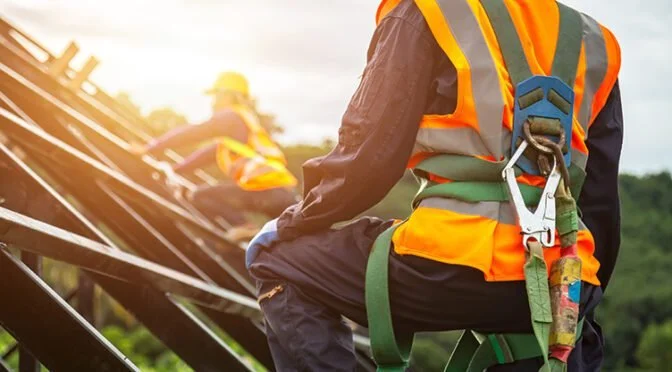
Why Daily Pre-Use Checks Are Essential for Construction Safety
Daily pre-use checks on plant, access equipment, and fall arrest systems are essential for preventing accidents and meeting health and safety duties on construction sites. A few minutes spent checking for damage, faults, or missing components can stop serious incidents, reduce downtime, and keep workers safe. Safety starts before the job begins, make daily checks a non-negotiable routine.

Why Investing in Mental Health Training Matters More Than Ever: HSE Statistics Reveal Sharp Rise in Work-Related Stress
Work-related mental health cases have risen by 24% this year, with the HSE reporting 964,000 employees affected and over 22 million working days lost. To support organisations in responding to this growing need, we’re launching a 2-day, in-person Mental Health First Aider course in Hadleigh, Suffolk.
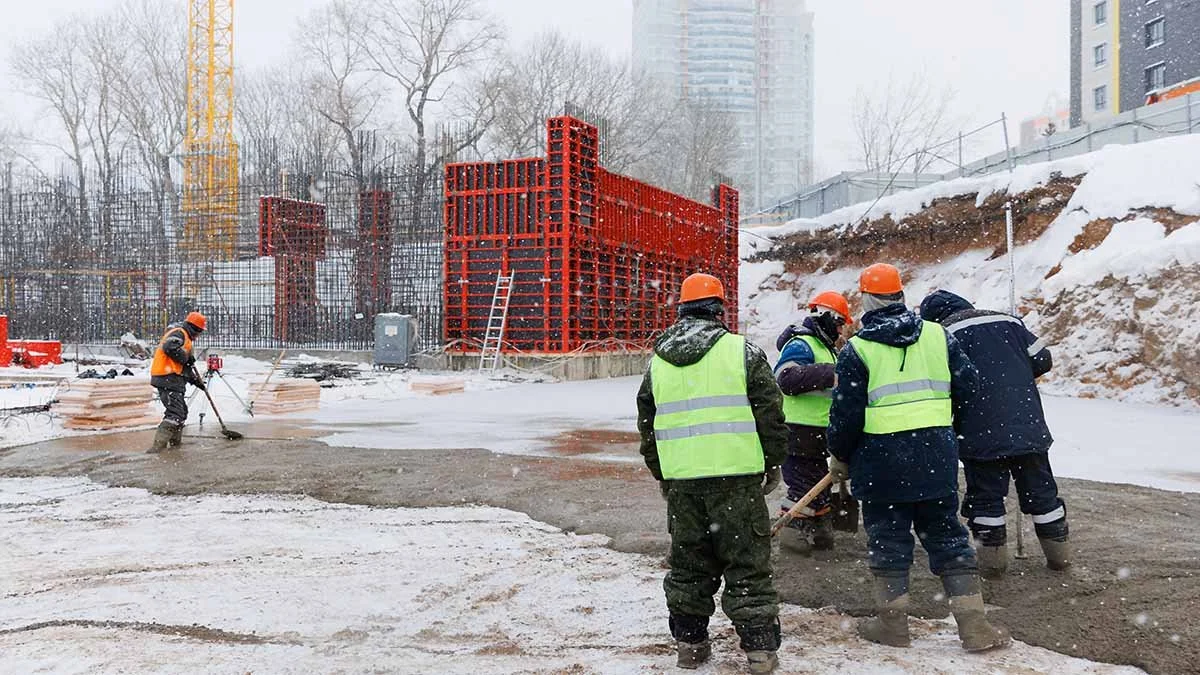
Preventing Slips, Trips and Falls on Construction Sites During Winter
Winter brings increased slip, trip and fall risks on construction sites due to wet leaves, damp floors, muddy ground and darker mornings and evenings. Extra housekeeping, better lighting and seasonal awareness are essential to keep workers safe during colder months
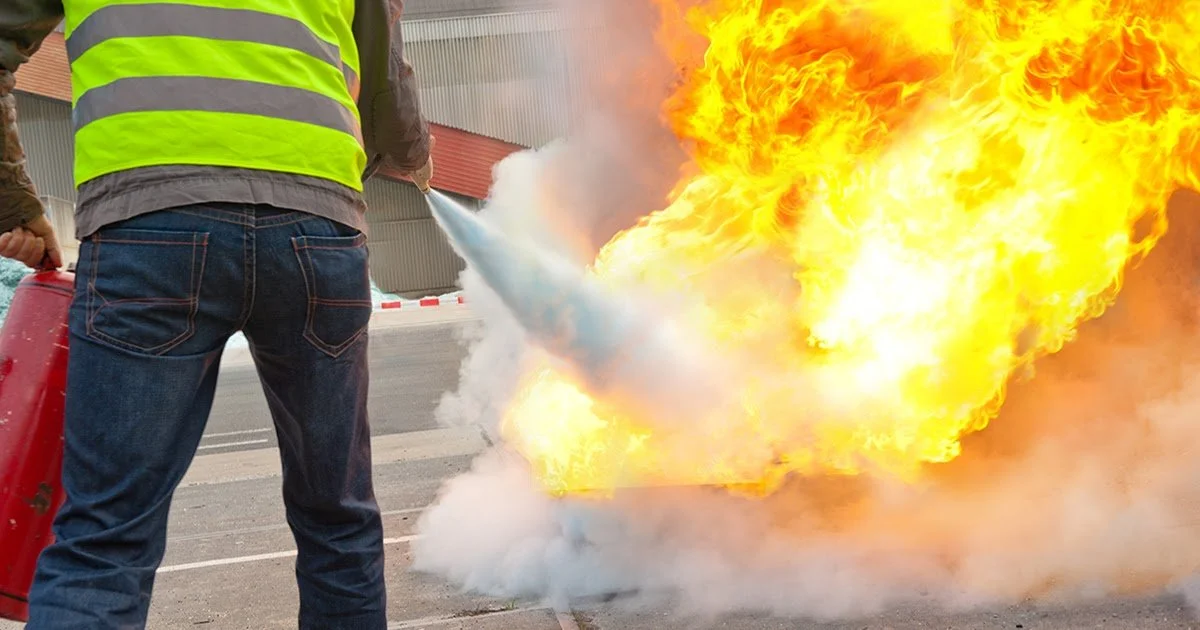
Why Fire-Safety Training In Construction Is Now Non-Negotiable Under BS 8670-1:2024
With new safety laws and BS 8670-1:2024, construction workers now need site-specific fire-safety training. We offer a free 2-hour CITB course and a 35-minute Construction Fire Awareness course for £16, giving your team fast, cost-effective compliance.

Carbon Offsetting in the Construction Sector
Carbon offsetting can help balance unavoidable emissions in construction, but only after real reductions are made. Poor-quality offsets and overreliance can undermine progress. Choose verified projects, stay transparent, and make offsetting part of a wider, long-term carbon reduction plan
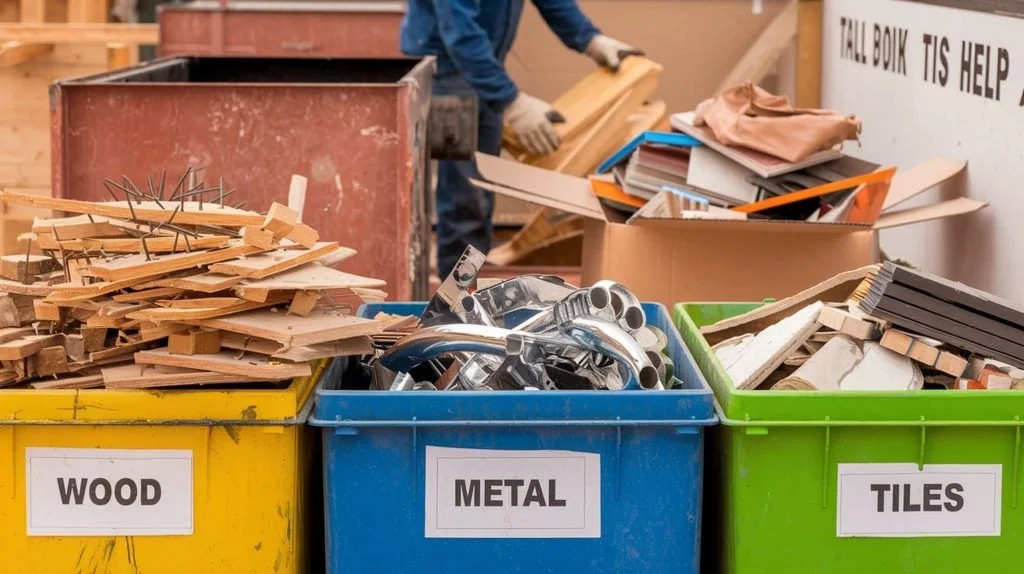
Waste Management: Taking Control of What Gets Thrown Away
Construction waste is costly and often avoidable. With on-site audits, waste reduction plans, and clear segregation (including bins for recyclables and COSHH materials), we help you cut costs, stay compliant, and build more sustainably.