

Why Daily Pre-Use Checks Are Essential for Construction Safety
In the fast-paced world of construction, staying on schedule is important but staying safe is critical. Every day, workers rely on plant, access equipment, and fall arrest systems to carry out high-risk tasks. When equipment fails, the consequences can be severe: injuries, damaged equipment, delays, enforcement action, and even fatalities.
That’s why daily pre-use checks aren’t just good practice, they’re a vital part of maintaining safety, meeting legal duties, and ensuring everyone goes home safe at the end of the day.
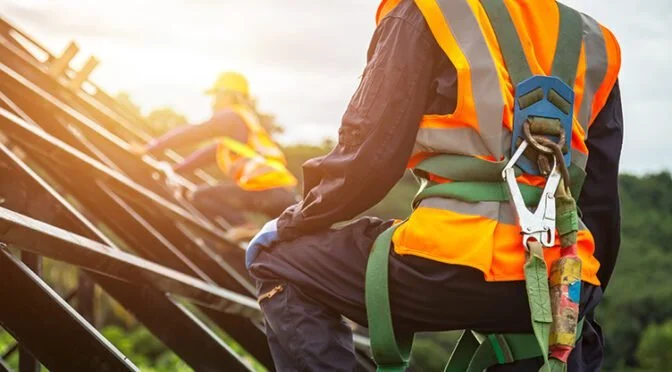
Under the Health and Safety at Work etc. Act 1974, PUWER, LOLER, and Work at Height Regulations, employers must ensure equipment is safe, maintained, and suitable for use. But even well-maintained equipment can develop faults, especially in harsh construction environments.
Daily pre-use checks act as the first line of defence, helping workers identify issues before they become incidents.
Plant: Reducing the Risk of Equipment Failure
Whether it’s excavators, dumpers, rollers, or telehandlers, plant machinery is exposed to heavy use and challenging conditions. Daily checks help spot problems such as:
Hydraulic leaks
Damaged hoses or connectors
Faulty brakes, lights, or alarms
Tyre damage or pressure issues
Visibility obstructions
Loose or missing safety guards
By catching faults early, operators prevent breakdowns, avoid unsafe conditions, and reduce costly downtime.
Access Equipment: Keeping Workers Safe at Height
From MEWPs to scaffold towers, access equipment is designed to reduce risk but only when it’s in good working order.
Pre-use inspections should verify:
Guardrails, platforms, and toe boards are secure
Outriggers/stabilisers are correctly deployed
Controls and emergency stops function properly
No cracks, damage, or excessive wear
The equipment sits level and stable
Working at height remains one of the top causes of fatalities in construction. A few minutes spent checking equipment can prevent life-changing accidents.
Fall Arrest Systems: The Last Line of Defence
Fall arrest equipment, such as harnesses, lanyards, and anchorage points, must be checked every single day before use. Damaged or incorrectly fitted equipment provides a false sense of security and can fail when needed most.
Daily checks should cover:
Webbing cuts, frays, burns, or chemical damage
Damaged stitching
Bent or faulty connectors and karabiners
Expired or damaged shock absorbers
Anchorage points secure and rated for use
A fall arrest system is only effective if every component can perform under load.
Why Daily Checks Make a Big Difference
Regular pre-use checks help:
Prevent accidents and near misses
Protect workers from injury
Reduce downtime and costly repairs
Extend equipment lifespan
Demonstrate compliance with legal duties
Build a proactive safety culture on site
They also provide evidence that workers and supervisors are taking reasonable steps to manage risks, something the HSE will always look for during inspections or incident investigations.
A Safe Start Every Day
Daily pre-use checks aren’t a box-ticking exercise, they’re a simple, effective habit that saves lives. Construction sites are safer, more efficient, and more compliant when workers take a few minutes at the start of the day to make sure their equipment is fit for use.
Safety begins before the work does. Make daily checks part of your routine, every day, without exception.