

The Real Benefits of Reporting Near Misses
Near misses happen on construction sites every day.
A falling object that narrowly misses someone.
A trip hazard spotted before anyone falls.
An isolation issue picked up just in time.
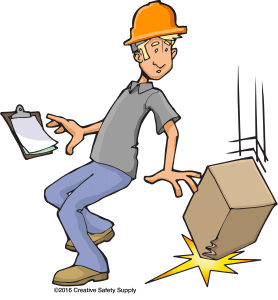
Too often, these incidents are dismissed with “nothing happened”.
In reality, near misses are one of the most valuable health and safety tools an organisation has, if they are reported, reviewed, and acted on properly.
What is a near miss?
A near miss is an unplanned event that could have resulted in injury, ill health, or damage, but didn’t, usually due to luck, timing, or last-minute intervention.
The important point is this:
near misses and accidents have the same root causes;
The only difference is the outcome.
When near misses are ignored, early warning signs are ignored too.
Why reporting near misses prevents serious accidents
Serious incidents are rarely one-off events. In most cases, there are warning signs beforehand, unsafe conditions, gaps in planning, unclear supervision, or controls that aren’t working as intended.
Near-miss reporting allows:
Hazards to be identified early
Control measures to be reviewed before someone is hurt
Trends to be spotted across sites, teams, or activities
From a health and safety perspective, a higher number of near-miss reports is often a positive indicator, not a negative one. It shows people are engaged and actively looking out for risk.
Evidence of a positive safety culture
Regulators such as the Health and Safety Executive don’t just look at accident statistics. They look for evidence that organisations are:
Actively monitoring risk
Learning from unsafe conditions
Improving arrangements over time
Effective near-miss reporting demonstrates:
Workforce involvement
Open communication
Management commitment to prevention
A site with zero near misses reported is often a red flag, not a success.
Early warning for management
Near misses provide free, real-time insight into what is really happening on site.
They often highlight:
Gaps in RAMS or task planning
Inadequate supervision
Poor housekeeping or access arrangements
Temporary works or sequencing issues
Training or competence shortfalls
Addressing these issues early is far safer and far cheaper than dealing with a serious accident, enforcement action, or civil claim.
Legal and CDM benefits
Under the Construction (Design and Management) Regulations 2015, contractors and principal contractors must:
Plan work so it is carried out safely
Monitor and review site arrangements
Take action where controls are not working
Near-miss reporting supports compliance by providing evidence of:
Ongoing monitoring
Active risk management
Continuous improvement
When inspectors ask, “How do you know your controls are working?”, near-miss data is a strong and practical answer.
Why near misses often go unreported
Despite the benefits, near misses are still under-reported. Common reasons include:
“No one was hurt”
Fear of blame or disciplinary action
Reporting systems that are too long or complicated
No feedback after reports are submitted
This is rarely a workforce issue.
It’s a management system issue.
If reporting leads to silence or blame, people quickly disengage.
How to encourage near-miss reporting (what actually works)
Effective near-miss systems are simple, visible, and supported by leadership.
Good practice includes:
Clear, straightforward reporting methods
Supervisors actively encouraging reports
A no-blame approach
Visible action taken after reports
Sharing learning through briefings and toolbox talks
One rule applies:
If nothing changes after a near miss is reported, reporting will stop.
Turning near misses into action
Reporting alone isn’t enough. Near misses must lead to improvement.
A simple, effective process:
Near miss reported
Cause reviewed
Control measures checked
RAMS or site arrangements updated where needed
Learning shared with the workforce
This closes the loop and shows that reporting has value.
Final thought
Near misses are free lessons.
Accidents are costly in injuries, disruption, enforcement action, and reputation.
Creating a culture where near misses are reported, discussed, and acted upon is one of the most effective ways to improve health and safety performance on site.
If you’re not learning from near misses, you’re relying on luck and luck always runs out.