

When working on a construction site, biodiversity protection is not likely to be considered the top priority. Keeping to programme, keeping people safe and delivering quality work comes first and that is completely understandable. But it’s worth remembering that construction work and the natural environment are closely linked. From trees and hedgerows to birds, insects and nearby waterways, what we do on site can have a real impact.
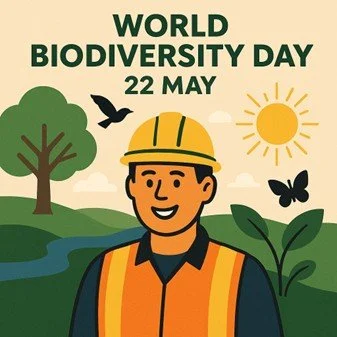
Biodiversity is simply all the living things around us and the places they live. On or near a construction site, that could include trees and shrubs, grassland and soil, birds and nesting areas, insects and pollinators, and ditches, drains and watercourses.
Once a site is stripped back, it is easy to forget what was there before. But in addition to the environmental aspects, damage to habitats can cause delays, fines, bad press and extra work that nobody wants. Subcontractors are usually the ones carrying out the hands‑on work. Groundworks, demolition, landscaping, roofing, cladding and utilities all interact directly with the environment. And most of the biodiversity issues we see from these works are not deliberate.
They usually happen because:
Boundaries are not clearly understood
Work is rushed
Someone was not told about an environmental restriction
A problem did not get reported early enough
Protecting biodiversity is now part of normal site expectations, just like health and safety. Many sites have planning conditions and environmental rules that everyone on site must follow.
What can you do?
· Stick to the agreed working areas: If an area is fenced off or marked as no access, there is a reason. Often it is protecting tree roots, habitats or sensitive ground. Do not move fencing without permission.
· Watch out for nesting birds: Bird nesting season is usually March to August. If you see birds going in and out of a hedge, scaffold or roof space, stop and tell the site manager. Disturbing nests is illegal and can shut a job down fast.
· Keep spills out of the ground and drains: Fuel, oils, wet concrete and wash water can quickly contaminate soil and watercourses. Use drip trays, keep lids on containers and clean up spills straight away.
· Good housekeeping helps more than you think: Loose materials, waste and debris can end up in drains or nearby habitats. Keeping work areas tidy is not just about safety. It also protects the environment around the site.
· If something feels wrong, speak up: If you are unsure whether something is allowed, ask. Stopping for ten minutes to check is far better than dealing with a site incident later.
Biodiversity Is Not Just an Environmental Issue
From an HSE point of view, biodiversity links directly to:
Compliance with planning conditions
Avoiding enforcement action
Preventing costly delays
Maintaining a good reputation with clients and principal contractors
More and more clients expect subcontractors to understand these basics. Showing you take it seriously reflects well on your business. We can help with breaking down site environmental rules into simple actions, delivering relevant toolbox talks, making sure environmental controls fit into normal site working, and with helping teams understand when to stop and ask questions.
Environmental protection should work alongside health and safety, not feel like an extra burden. Good construction is not just about what we build, but how we treat what is already there.
Learn more about the day on UN’s dedicated page