

International Day of Forests
21 March marks the International Day of Forests, a day that celebrates the forests shaping our climate, our landscapes and our everyday lives.
From regulating our climate to supporting biodiversity, providing livelihoods, stabilising soils and supplying clean air and water, forests underpin almost every aspect of environmental and human wellbeing. Yet despite their value, they remain under persistent threat from deforestation, land‑use change and unsustainable resource extraction.
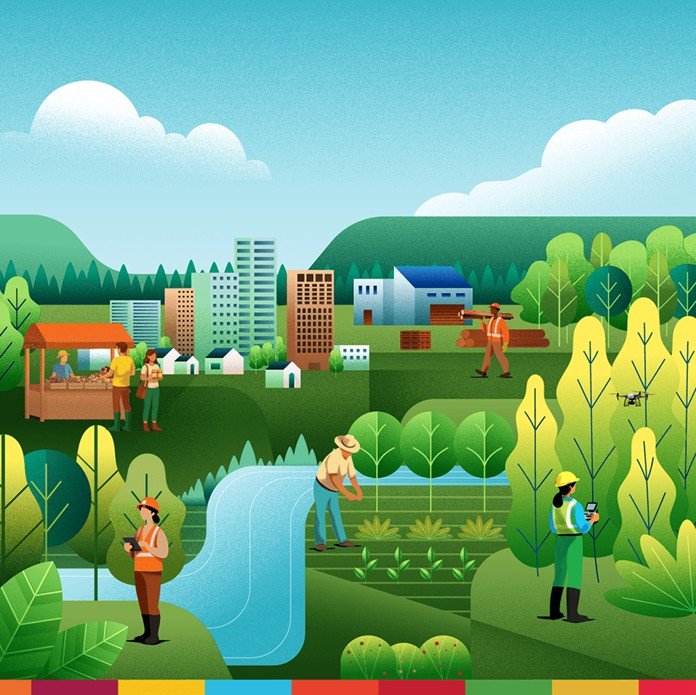
For businesses, this day is an opportunity to reflect on how everyday decisions can reduce pressure on forests and support their long‑term resilience. Even small operational changes, when multiplied across supply chains, can deliver meaningful impact.
Why Forests Matter to Your Business
Healthy forests help regulate temperature and rainfall, store vast amounts of carbon, and support countless species that underpin global supply chains. Construction, facilities management, manufacturing, landscaping, and procurement all rely in some way on forest‑derived goods, whether directly (timber, paper, packaging) or indirectly (agro‑commodities, bio‑based materials, operational supplies).
Sustainable sourcing is no longer a “nice to have”. It is becoming a core part of risk management, ESG reporting and responsible subcontracting. Choosing forest‑positive materials and reducing waste can lower reputational, environmental and compliance risks while supporting wider climate and nature goals.
There are many ways organisations can support forests through procurement and everyday operations. These steps help protect forest ecosystems while also improving supply chain transparency and resource efficiency.
Choose certified sustainable materials
Commit to using FSC or PEFC certified timber and paper, ensuring the materials originate from responsibly managed forests rather than contributing to deforestation.
Review suppliers and forestry practices
Audit suppliers of timber, paper, packaging and wood‑derived products to ensure they follow sustainable forestry standards and ongoing due diligence requirements.
Reduce virgin material use
Prioritise recycled content in paper, packaging and office supplies to ease demand on forests and extend the lifecycle of materials already in circulation.
Cut unnecessary packaging and transport impacts
Work with suppliers to minimise packaging, consolidate deliveries or introduce reusable or returnable transport packaging to reduce waste and emissions.
Avoid deforestation‑linked products
Choose alternatives to products containing unsustainably sourced palm oil, which is a major driver of global forest loss.
Shift towards digital workflows
Adopt digital‑first processes to reduce paper consumption. When printing is unavoidable, encourage double‑sided printing and low‑ink modes to minimise resource use.
Manage waste responsibly
Ensure shredded paper and cardboard are recycled properly to maximise material recovery and reduce landfill.
Select sustainable furniture and fittings
Use eco‑friendly furniture made from certified, reclaimed or recycled wood to lower the demand for virgin timber.
Support forest restoration
Contribute to credible reforestation or offset projects as part of a wider climate and nature strategy.
Plant trees locally
Where possible, plant native trees on business sites or support community planting initiatives to enhance local biodiversity.
Making Forest Stewardship Part of Everyday Practice
Protecting forests is not just the responsibility of governments, NGOs or conservation groups. Everyone plays a critical role in shaping demand for forest‑based products, influencing suppliers and embedding responsible practices into procurement and operational routines. By making responsible choices, businesses help safeguard forests for future generations while strengthening their own environmental performance.