

Indoor Air Quality
Indoor air quality (IAQ) has become a central concern for organisations aiming to protect employee wellbeing, meet sustainability expectations, and ensure regulatory compliance. Research shows that poor IAQ can lead to respiratory issues, headaches, fatigue, and reduced productivity, while clean indoor air supports comfort, concentration, and overall health. Guidance from national health agencies also highlights ventilation, pollutant control, and continuous monitoring as essential components of a healthy indoor environment.
In both offices and temporary cabins, where air can become stale or contaminated more quickly, businesses can adopt sustainable, practical measures to maintain healthy, low‑pollution indoor air. Below are four key strategies.
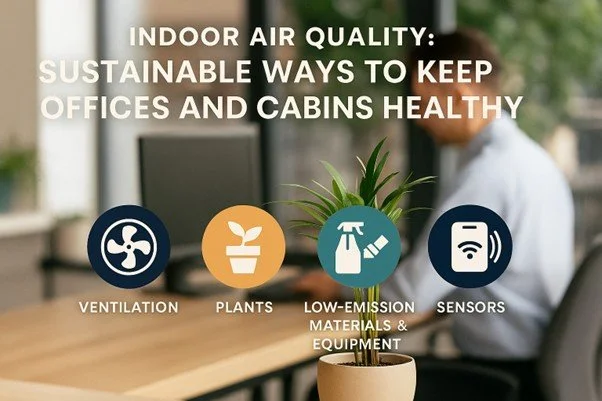
1. Ventilation: The Foundation of Healthy Indoor Air
Ventilation is one of the most effective ways to manage indoor air pollutants such as volatile organic compounds and carbon dioxide, and when implemented well it supports occupant health, reduces absenteeism and can also improve energy performance. Properly maintained HVAC systems help prevent reduced airflow or the accumulation of contaminants, while optimising ventilation rates through CO₂ monitoring, airflow testing and system balancing ensures that a space is receiving adequate fresh air. Demand controlled ventilation allows airflow to adjust according to occupancy, which helps maintain air quality while reducing unnecessary energy use. Hybrid and natural ventilation strategies can also contribute to cleaner indoor air, as operable windows, cross ventilation corridors and ventilated facades can provide low energy ways to introduce fresh air when combined with filtered mechanical systems. In smaller and more heavily used spaces such as site cabins, even modest improvements like adding trickle vents or using low energy extraction fans can significantly improve air freshness.
2. Plants: Natural Air Helpers
Air purifying plants are increasingly recognised as a useful part of a sustainable indoor air strategy because they can help trap dust, absorb certain pollutants and stabilise humidity, even though they cannot replace the role of proper ventilation. Research and sustainability guidance note that when plants are integrated into wider indoor air quality programmes they can contribute to improved comfort, reduced stress and small reductions in airborne pollutants such as volatile organic compounds. They are most effective when placed in areas with limited airflow, such as meeting rooms or quieter corners of cabins, and when businesses choose hardy, low emission species suited to workplace conditions. It is also important to maintain them properly, as poor upkeep can lead to mould growth and undermine their benefits.
3. Choose Low‑Emission Materials and Equipment
Building materials, office furniture, adhesives, cleaning chemicals and electronics can release volatile organic compounds and other harmful gases, and some can continue off‑gassing for months, which makes careful purchasing decisions essential. Studies indicate that indoor VOC concentrations may reach levels up to ten times higher than those outdoors, especially where low quality materials are used and ventilation is poor, with floors, carpets, paints and pressed wood furniture identified as particularly significant contributors to emissions. Businesses can reduce this impact by selecting low VOC paints, adhesives, flooring and furnishings, choosing energy efficient equipment manufactured from low emission materials, and opting for non toxic, fragrance free cleaning products. Prioritising items with recognised environmental certifications also helps ensure lower pollutant levels. Even modest shifts in procurement practices can greatly reduce pollutant buildup in both offices and temporary cabins.
4. Sensors in Spaces of Concern
Air quality sensors are becoming increasingly accessible, accurate and cost effective, giving businesses a practical way to monitor carbon dioxide levels, humidity, particulate matter and volatile organic compounds in real time so that hidden issues can be identified and corrective action taken promptly. Guidance shows that modern sensor systems can automatically adjust ventilation based on occupancy patterns, which helps reduce both pollutant concentrations and unnecessary energy use. National health agencies also recommend using indoor air monitoring in situations where ventilation concerns persist or where the performance of existing systems is uncertain. Sensors are particularly valuable in meeting rooms, high occupancy work areas, portable cabins used for long periods, spaces with a history of indoor air quality complaints and locations near pollutant sources such as printers or cleaning product storage. By integrating sensors into their indoor air quality programmes, businesses gain clearer visibility of air conditions and greater confidence in managing and improving the environments their employees use.