

Food Waste Action Week
On a busy construction site, waste is something we’re trained to spot. Off‑cuts, packaging, damaged materials. They’re visible, measurable and costed. But there’s another type of waste that slips under the radar: the half‑eaten sandwich in the welfare cabin, the untouched excess catering after a progress meeting, the leftovers in our own fridges at home.
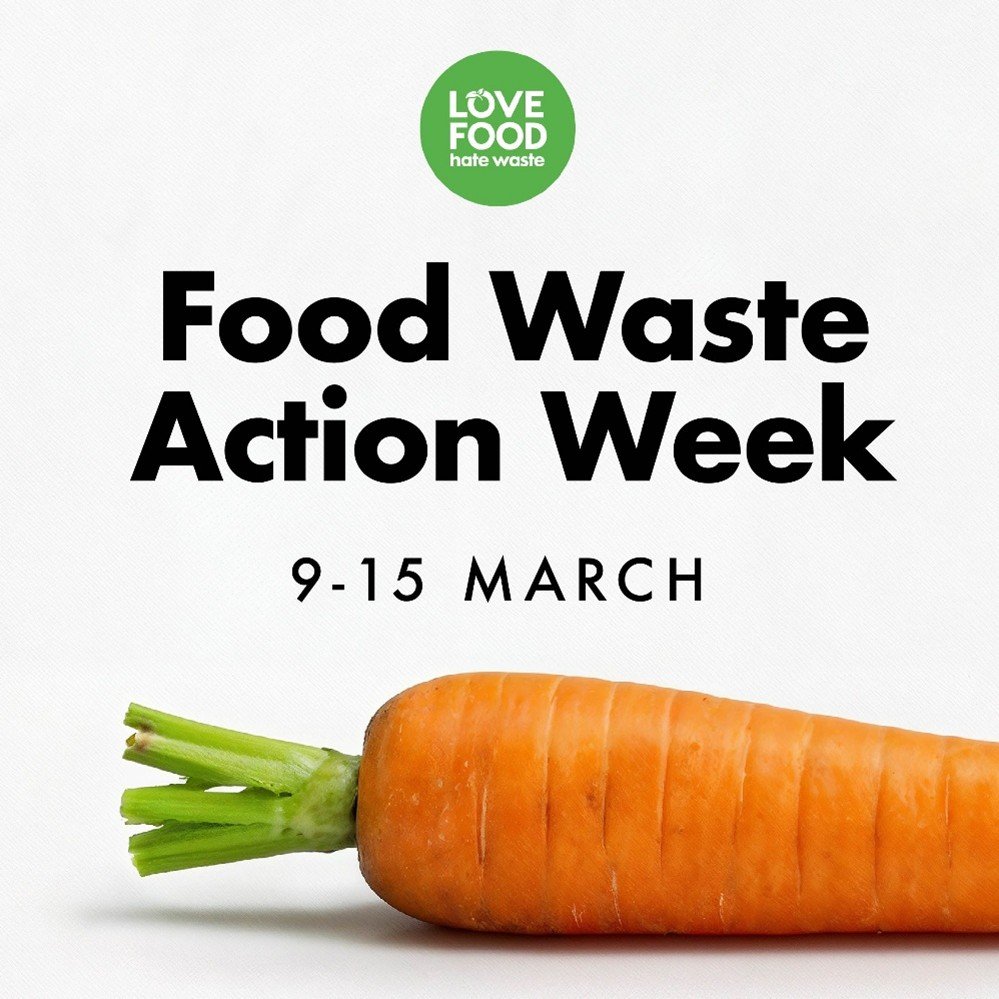
Food Waste Action Week is a timely reminder that sustainability goes beyond carbon reduction targets and responsible sourcing. It lives in the everyday decisions we make, including what we buy, what we eat, and what we throw away. And while construction might not be the first sector people think of when it comes to food waste, we do generate it, both on site and in offices.
Here are some practical actions businesses can take:
1. Rethink Meeting & Event Catering. Order based on confirmed numbers rather than estimates. Choose catering options that can be easily redistributed (e.g., whole fruit, tray‑baked items). Ask caterers about packaging minimisation and donation schemes.
2. Better Meal Planning. Encourage staff to plan and portion meals to reduce leftover waste, supported by simple informational posters in welfare areas or offices. Promote a “take it, don’t bin it” culture where uneaten food is taken home rather than discarded.
3. Smarter Welfare Cabin Setups. Provide labelled bins: general waste, recycling, and food waste. Include clear signage showing what can and can’t go into food waste bins. Keep bins clean and well‑maintained so they get used properly.
4. Reduce Overbuying at the Canteen. If you have a site canteen, review portions and buying patterns. Ask for smaller portion sizes to be available too. Introduce discounts for end‑of‑day items to prevent waste.
5. Manage Food Storage Sensibly. Provide adequate fridge space in welfare areas so packed lunches don’t spoil. Allocate a “use me first” shelf for communal items at risk of going off.
Reducing food waste directly helps the planet. Globally, a third of all food produced is wasted, and that waste is responsible for around 8–10% of global greenhouse gas emissions. When food goes in the bin, so does all the energy and natural resources that went into producing it. On construction sites, where sustainability is increasingly central to how we work, tackling food waste is an easy, low‑cost win that everyone can take part in.
Learn more on Love Food. Hate Waste.